Why Custom Apparel Needs More Than Static Product Images
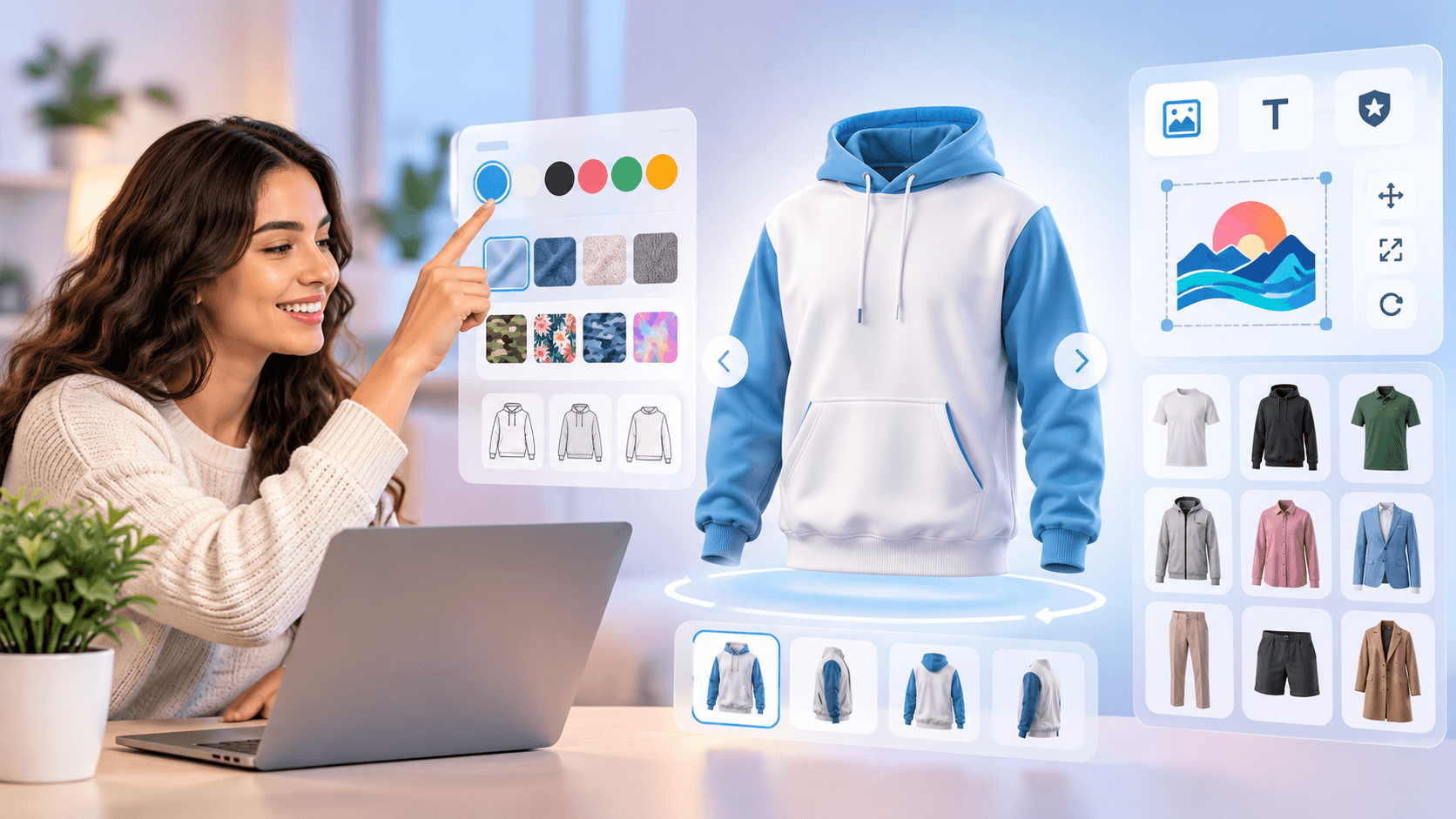
Custom apparel can involve several choices within the same garment. Mirrorsize states that MS 3D Configurator allows customers to work with fabrics, colors, patterns, styles, images, logos, and personalized text while viewing the configured garment in 3D. For custom apparel, this creates a way to bring product customization and visualization into the same digital experience.
MS 3D Configurator provides real-time 3D previews and a comprehensive view from different angles. Customers can therefore see supported changes on the 3D model as they work through the available customization options.
Custom Apparel Can Include Multiple Design Choices
Mirrorsize describes MS 3D Configurator as supporting an extensive selection of fabrics, colors, patterns, and styles. These choices form part of the customization process available to customers.
For custom apparel, several product details can therefore be handled within the same configurator. Mirrorsize also states that changes and variations can be visualized digitally, allowing customers to review the available options through the 3D model.
Color, Fabric, Pattern, and Style
MS 3D Configurator allows customers to explore multiple color options and see instant updates on the 3D model. The configurator also supports different fabrics, patterns, and styles.
These capabilities make design selection part of the custom apparel visualization process. Customers can work with the options provided for the garment while viewing the configured product in 3D.
Images, Logos, and Personalized Text
Customization can extend beyond fabric and color.
Mirrorsize allows users to add images or logos to a garment and adjust their position, scale, and rotation. Personalized text can also be added, its style can be modified, and the update can be viewed on the 3D model.
For custom apparel that includes branding or personalization, these tools allow the selected elements to become part of the same configurator experience.
Real-Time 3D Visualization Shows the Configured Product
Interactive 3D visualization is one of the key capabilities listed for MS 3D Configurator. Mirrorsize states that the product provides real-time 3D previews and a comprehensive view from every angle.
For custom apparel, the configured product can therefore be viewed while available options are being applied. Customers can see updates involving color, images, logos, personalized text, and other supported customization choices.
Mirrorsize also states that clear visualization gives customers a more precise expectation of what they are purchasing. According to the product page, this transparency can minimize errors in orders and reduce the likelihood of returns caused by dissatisfaction.
This makes visualization an important part of the custom apparel experience. The configurator does not only provide customization choices; it also provides a way to view the resulting configuration.
Digital Variations Can Reduce the Need for Multiple Samples
Mirrorsize also connects digital visualization with physical prototypes and samples.
The company states that MS 3D Configurator can reduce production costs compared with physical prototypes or samples because changes and variations can be visualized digitally. It also says the configurator minimizes the need to create multiple samples.
For custom apparel, this means different available variations can be reviewed through the digital configurator before multiple physical samples are created.
The value comes from being able to visualize those changes on the 3D model. This gives custom apparel businesses another way to present configurable garment options digitally.
Custom Apparel Can Cover Different Garment Categories
MS 3D Configurator is not limited to one garment type.
Mirrorsize currently lists Shirt, Hoodie, T-Shirt, Jacket, Kandura, Vest, Trouser, Long coat, 3 piece suit, 2 piece suit, Polo T-Shirt, and Shorts among the products available for 3D customization.
This allows the custom apparel experience to extend across different garment categories. The available customization tools can then be used according to the product being configured.
3D Configuration Can Fit Into an E-Commerce Experience
Mirrorsize states that MS 3D Configurator integrates with Shopify, WooCommerce, WordPress, and other platforms. The current plans also include API/SDK integration and access to the configurator through a URL or iFrame.
The configurator is also optimized for mobile use, allowing customers to customize apparel on supported devices.
For custom apparel businesses, these options allow the configurator to become part of a wider digital shopping environment while keeping customization and visualization within the same process.
Why Custom Apparel Benefits From Interactive Visualization
The central role of MS 3D Configurator is to let customers work with available customization options and see the configured result in 3D.
For custom apparel, customers can choose from fabrics, colors, patterns, and styles, add images or logos, include personalized text, and view the garment from different angles. Mirrorsize also states that changes and variations can be visualized digitally, helping reduce the need for multiple physical samples.
This is where custom apparel needs more than a fixed product presentation. MS 3D Configurator adds real-time visualization to the customization process so customers can review the configured product and the supported choices applied to it.
For custom apparel businesses, the result is a digital experience that brings product customization and 3D visualization together.